A Thoughtful Look at Planning, Oversight, and Execution
If you’re asking what does a wedding planner do, you likely already understand that professional planning is essential. Weddings today are layered, logistically complex, and deeply personal. There are too many moving parts, too many decisions, and too much at stake to approach them casually.
For most couples, the real question isn’t whether a planner is needed. It’s what level of planning support makes sense for their wedding and how that support shows up throughout the process.
At its core, a wedding planner’s role is to guide decisions, manage logistics, and protect the experience so the celebration unfolds with intention rather than pressure. That responsibility remains consistent across every wedding. What varies is when a planner becomes involved and how much of the process they are supporting.

What Does a Wedding Planner Do During the Planning Process
Wedding planning isn’t a list of tasks to complete. It’s a system of interconnected decisions that build on one another over time.
An experienced wedding planner looks beyond individual choices and evaluates how each decision affects the overall flow of the day or weekend. A shift in ceremony timing impacts photography, lighting, transportation, and catering pacing. A design direction influences rentals, installation schedules, labor, and budget allocation. A guest count adjustment affects staffing, layout, and the energy of the room.
Throughout the planning process, a planner provides context so couples can make informed decisions with confidence. This often includes helping clarify priorities early, establishing a realistic framework for investment, and guiding choices that align with both vision and logistics.
This level of guidance is central to our planning services, where the focus is not simply on what looks good, but on how every choice functions together in real time.
Just as importantly, a planner is constantly assessing risk. Experience allows us to recognize where plans tend to break down, which assumptions need flexibility, and where early adjustments prevent larger issues later. This foresight becomes especially valuable for larger celebrations and multi-day events.
Experience, Judgment, and the Full Picture
One of the most misunderstood aspects of wedding planning is where expertise actually shows up.
It’s not just knowing what needs to happen. Knowing when, why, and in what order decisions should be made matters just as much.
Experience also shows in how a venue truly functions, how vendors operate under pressure, and how a timeline behaves in real time rather than on paper.
This level of judgment comes from having planned and executed weddings repeatedly, across different venues, teams, and conditions. It allows a planner to step back, see the full picture, and guide the process in a way that feels calm and intentional rather than reactive.
For couples planning more involved celebrations, including wedding weekends, this perspective is what keeps the experience cohesive rather than fragmented.
Full-Service Planning and Event Management: How They Work Together
Full-Service Planning and Event Management are not opposing approaches. They are different entry points into the same responsibility.
Full-Service Planning
Full-Service Planning begins earlier and supports decision-making as the vision, budget, and vendor team take shape. This approach allows couples to plan intentionally from the outset, with guidance through each phase of the process, from venue selection to final logistics.
Because decisions are made with the full context in mind, the planning experience tends to feel more grounded and less rushed as the wedding approaches.
Event Management
Event Management steps in once those decisions are largely made. Its focus is on carrying them through with structure, clarity, and professional oversight as the wedding approaches and on the wedding day itself.
Event Management is the execution of the plan. It includes managing timelines, coordinating vendors, and making real-time decisions so the couple is never responsible for overseeing logistics during their own celebration. This level of oversight is essential, regardless of scope or budget, and is fully integrated into our approach to event management.
In both cases, the goal is the same: ensuring the wedding unfolds smoothly and intentionally, without placing that responsibility on the couple or their families.
What Does a Wedding Planner Do on the Wedding Day
By the time the wedding day arrives, most of the work has already been done.
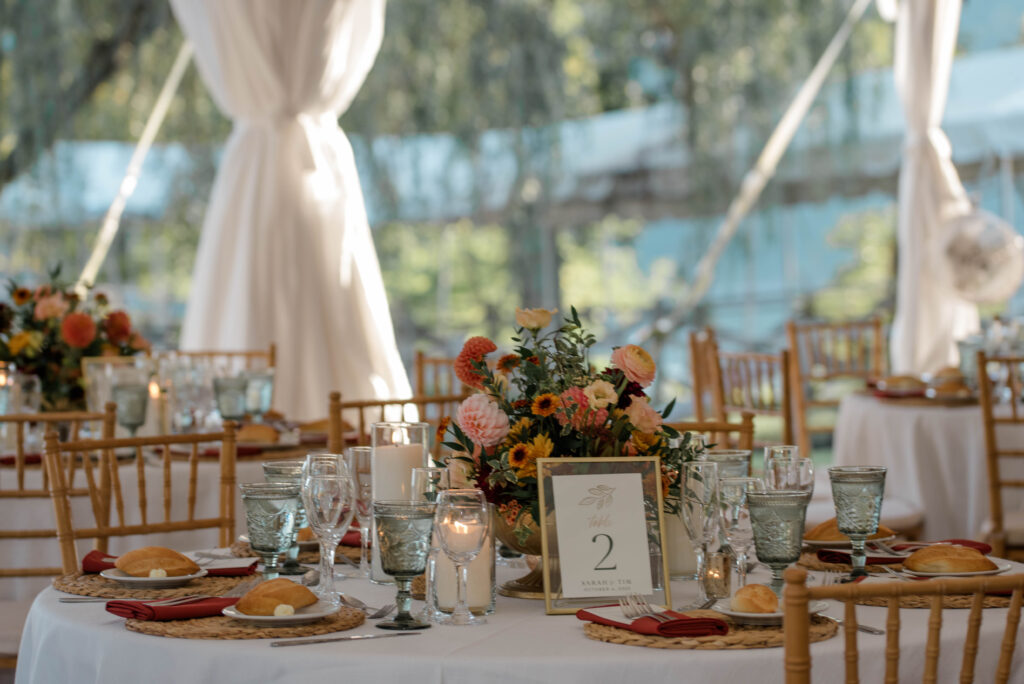
On the day itself, the planner becomes the point of coordination for everyone involved. Vendors arrive, timelines evolve, and questions arise. An experienced planner manages these moving parts quietly and efficiently so the couple can remain present rather than operational.
Rather than enforcing a rigid schedule, the planner maintains the rhythm of the day. Knowing when to hold the plan and when to adjust it is part of the job. The goal is not perfection on paper, but a celebration that feels natural, well-paced, and fully enjoyed.
If the wedding day feels calm and seamless, that is not accidental. It is the result of thoughtful planning and experienced oversight.
The Work You Rarely See
Some of the most meaningful work a wedding planner does is intentionally invisible.
It looks like managing family dynamics with discretion.
At other moments, that means intervening before stress builds.
Always, it means protecting the energy of the room.
These moments rarely appear in timelines or contracts, but they are often what distinguish a wedding that feels effortless from one that feels tense or disjointed. This awareness comes from experience and from understanding how weddings actually unfold in real time.
Final Thoughts
For couples who are drawn to this kind of experience, planning is less about filling a schedule and more about shaping the flow. The right structure, setting, and pacing can transform a wedding from a single event into a shared chapter with the people who matter most.
If you are considering a wedding weekend in the Hudson Valley or New England, we would be happy to talk through what that could look like for you. You can explore our planning services or reach out when you’re ready to begin the conversation.
You can also follow along on Instagram, where we share real celebrations and the thoughtful details behind them.



Be the first to comment